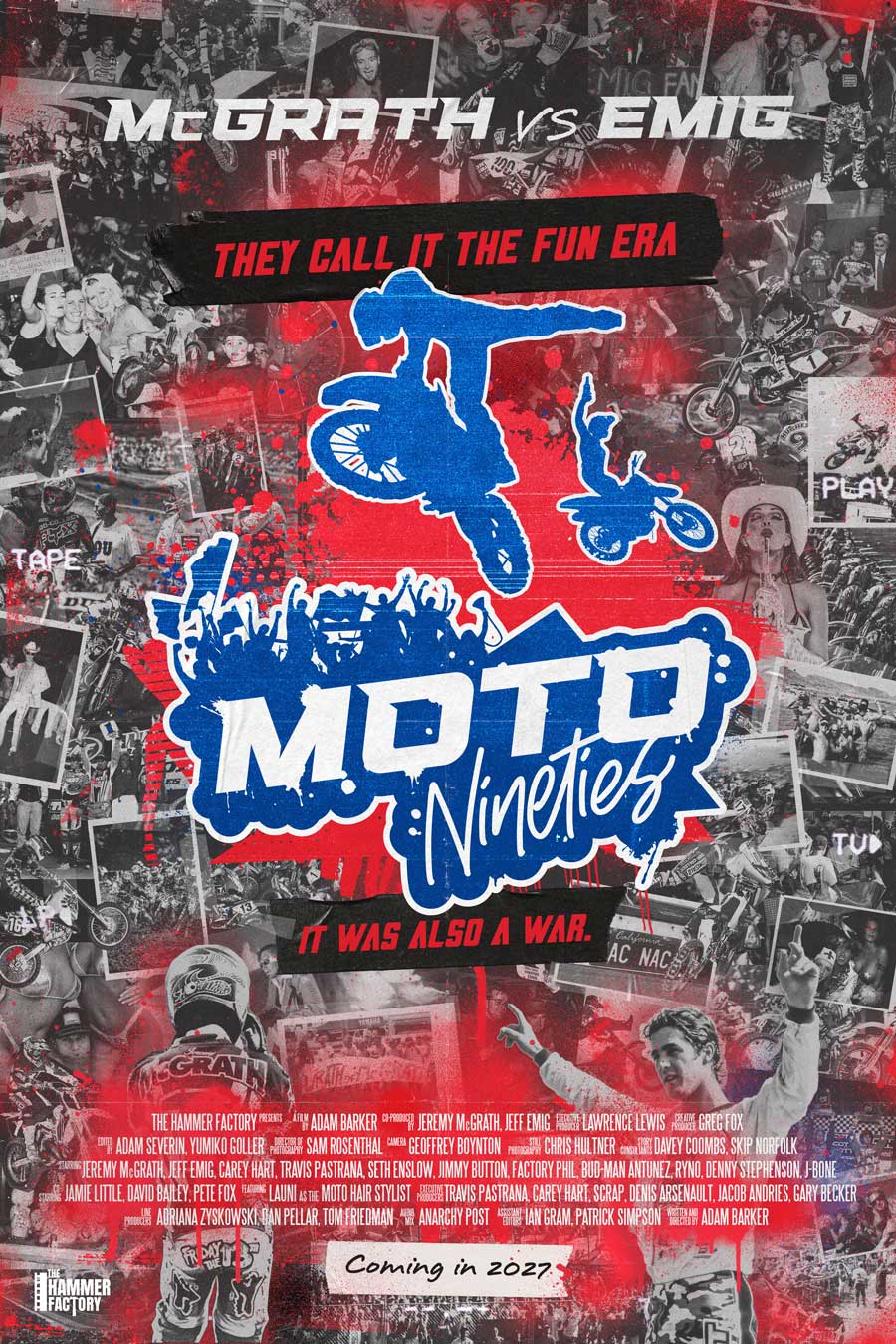
They call it the fun era.
It was also a war.
As the ’90s began, the corporate motocross world was losing its pulse. The factories controlled the riders, the message and the money. A bitter business feud culminated in the murder of top Supercross promoter Mickey Thompson. Injuries forced moto superstar Rick Johnson into early retirement. With its most marketable hero gone and PR disasters piling up, dirt bike racing needed someone to make people care again.
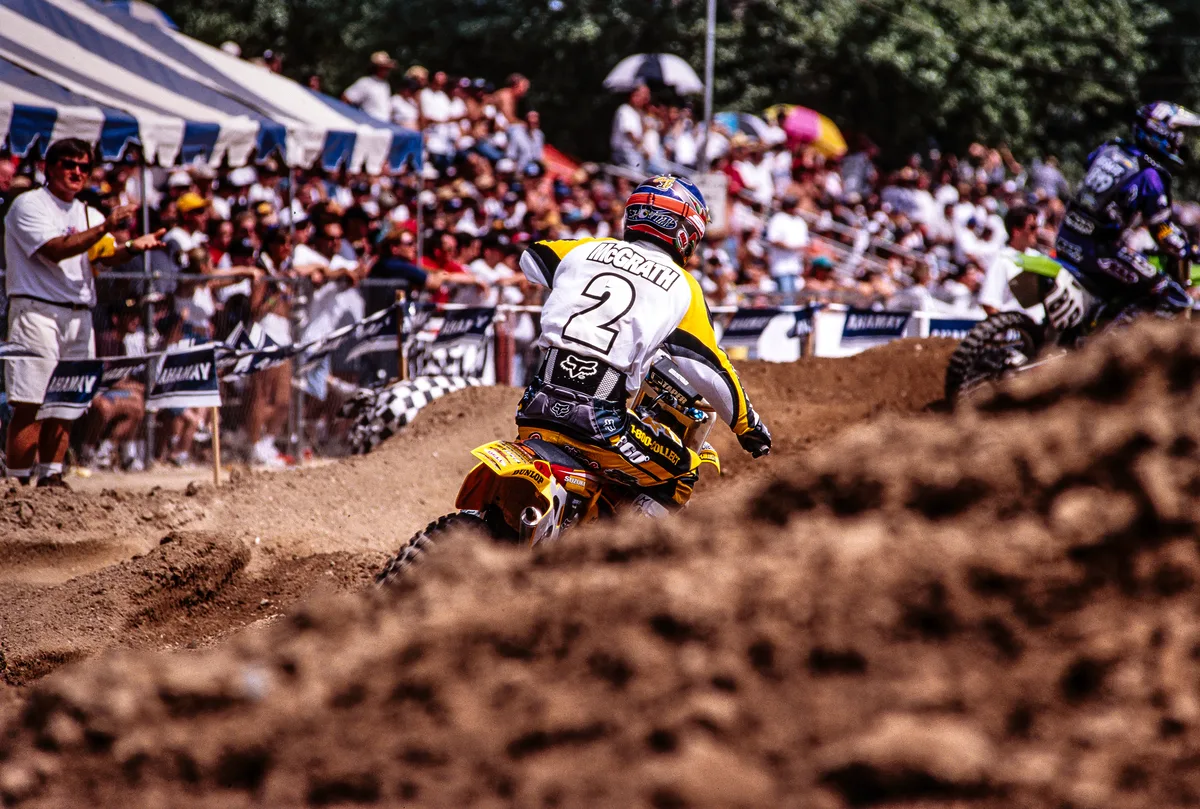
Then Jeremy “Showtime” McGrath blew the doors wide open.
Jeremy McGrath was just different. He came from BMX, had a surfer’s look and wanted to keep riding fun. Oh, yeah, he also completely dominated. He stayed low over jumps, railed corners and beat the best riders in the world with a style nobody could touch, all while looking like he was having more fun than everyone watching. He brought the freedom of riding with your friends into the pressure of a packed stadium. Winning looked effortless. Racing looked fun. Everyone wanted a piece of it.
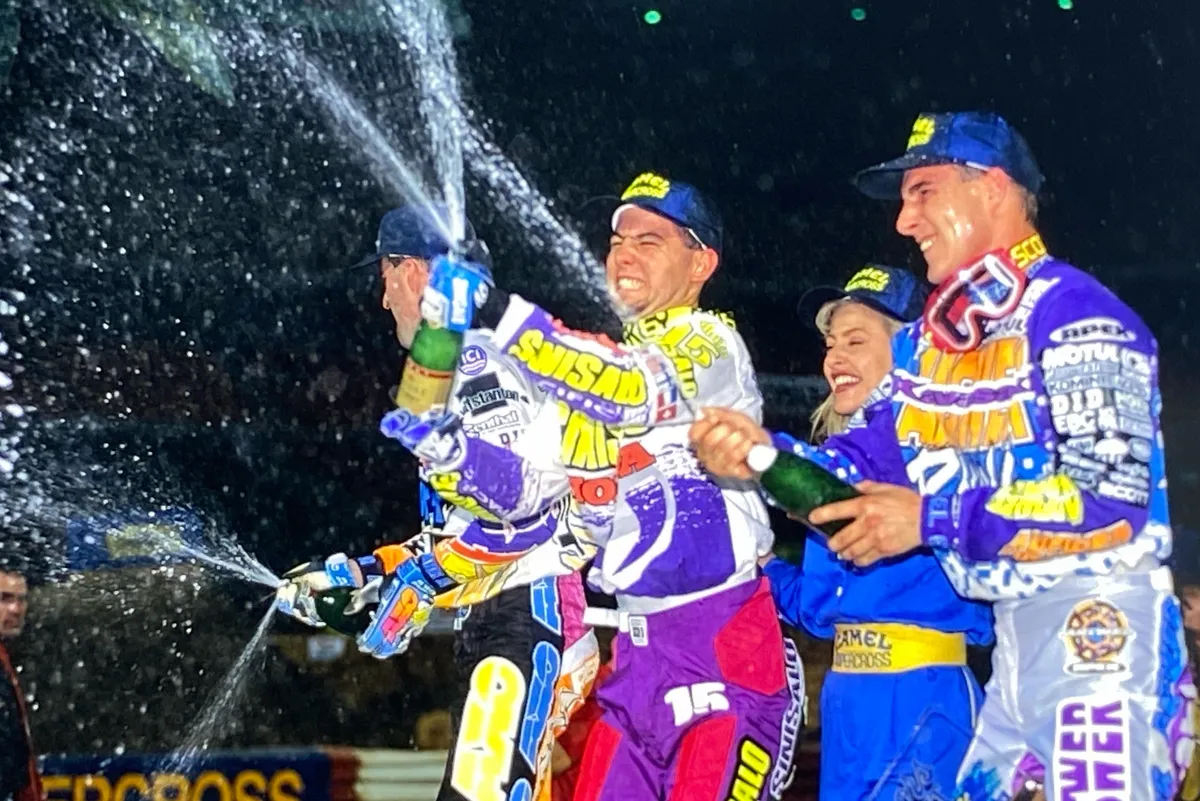
Then came the nac-nac. Jeremy brought his BMX creativity to the Supercross finish line, turning a victory celebration into a must-see moment.
McGrath mania was breathing life into the sport. Kids copied him. Crowds loved him. Sponsors from outside the industry came calling. His personality was as magnetic as his riding, and he helped turn Supercross into a show people couldn’t miss. McGrath became bigger than the factories. He was the undisputed King of Supercross, and he was making the whole sport bigger with him.
Jeff “Fro” Emig wanted the one thing McGrath wasn’t giving up: the Supercross crown.
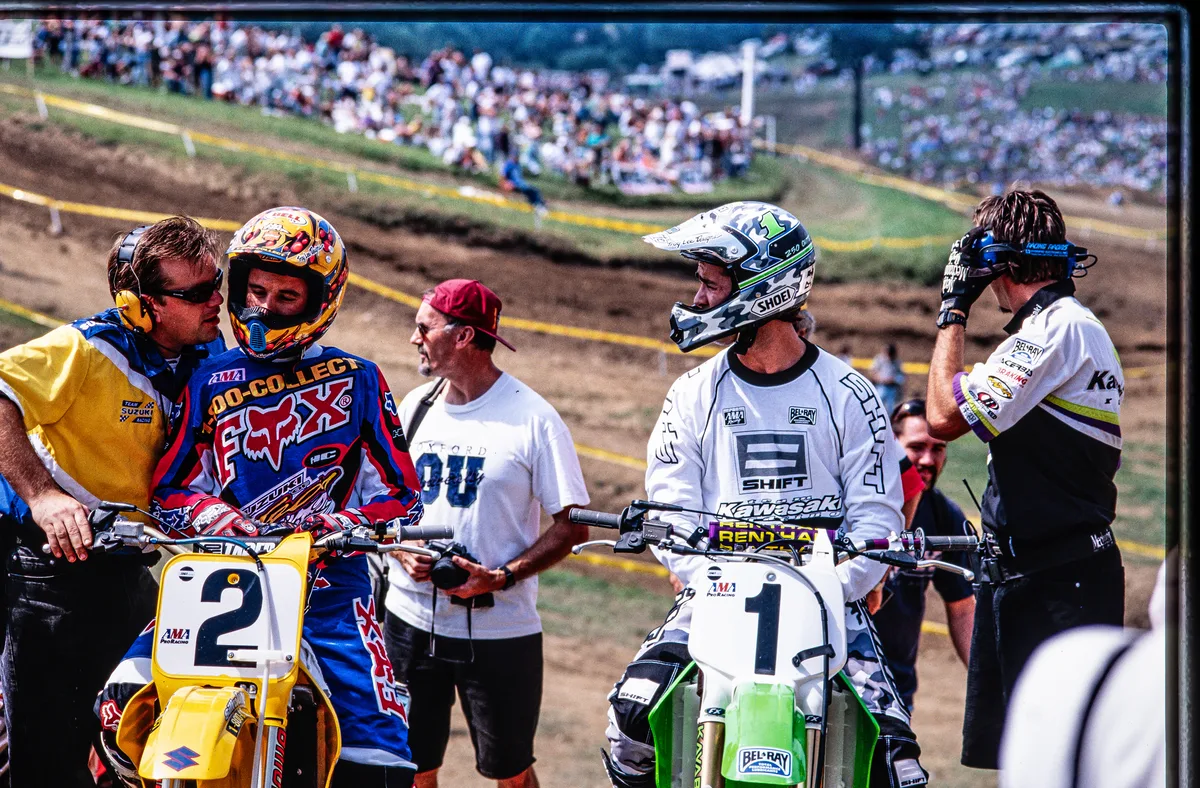
Emig and McGrath belonged to the same Southern California riding scene, a tight circle that included Ryan Hughes, Jeremy Albrecht, Jimmy Button, Phil Lawrence, Denny Stephenson and Buddy Antunez. They shared tracks, friends, girls and parties. McGrath had the effortless charm and seemingly unbeatable speed. Emig brought swagger, grit and the unwavering belief that he could take Jeremy down.
Inside that circle, a bitter rivalry was brewing. Run-ins on the track and tension over a girl made it personal. It’s hard to keep things friendly when the guy you want to beat keeps winning everything.
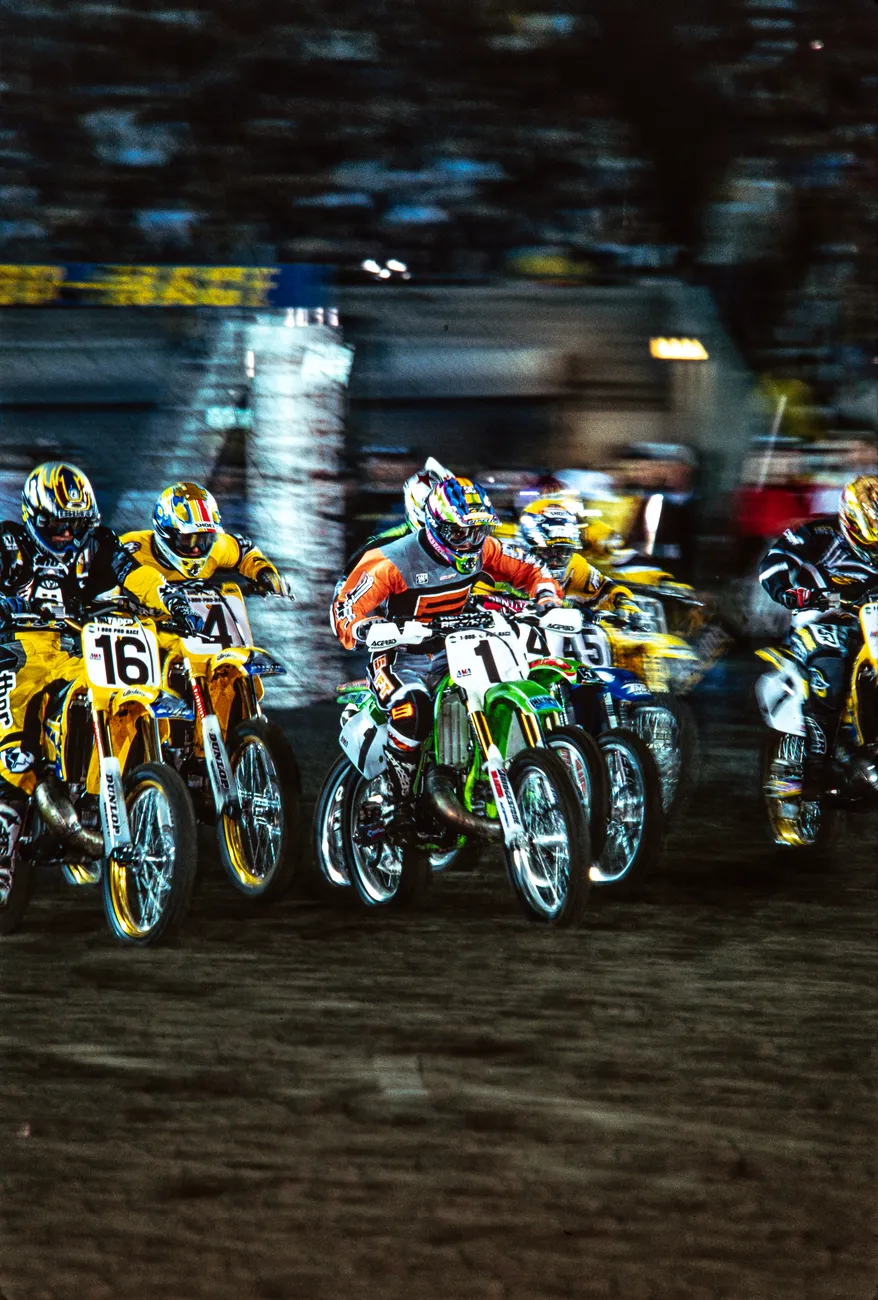
Emig was dead set on cracking the McGrath code. In 1996, he ended Jeremy’s perfect Supercross season, then beat him to the Outdoor championship. Suddenly, the king looked vulnerable. The racing got more intense. The friendship got more complicated.
The same two riders fighting for control of the sport were accidentally helping ignite a new culture.
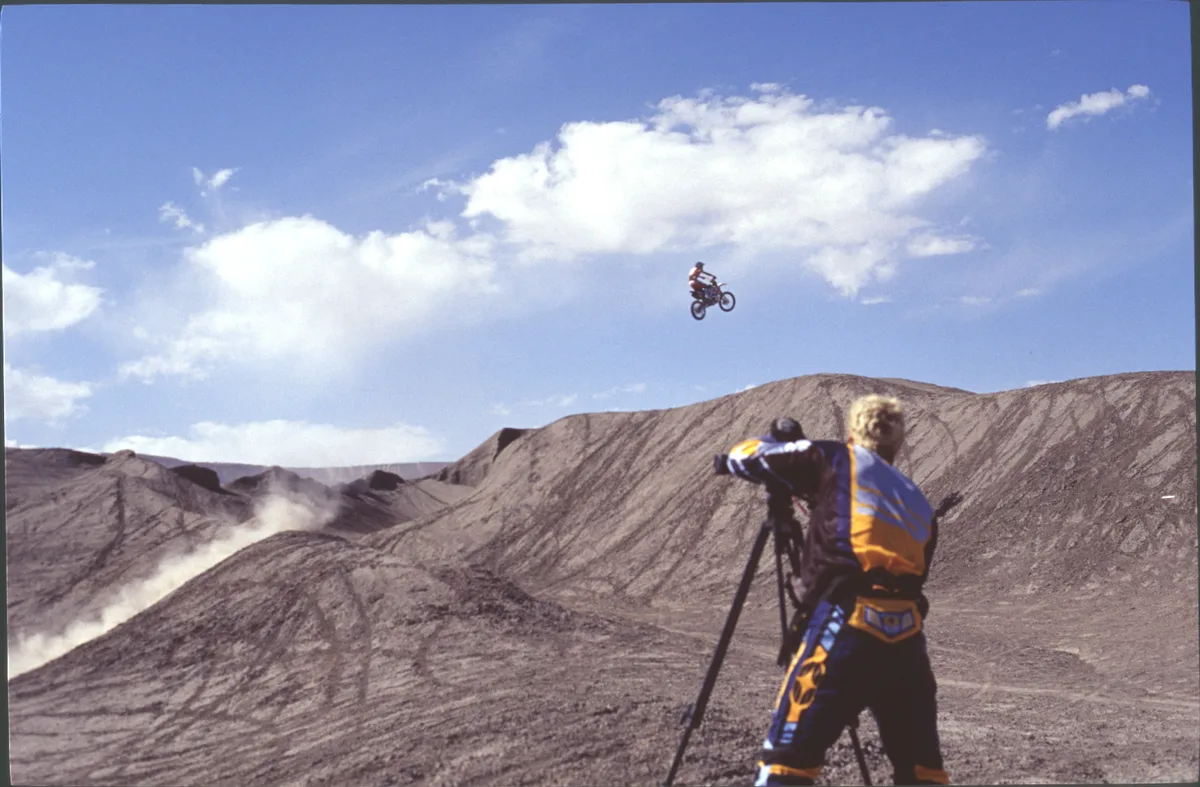
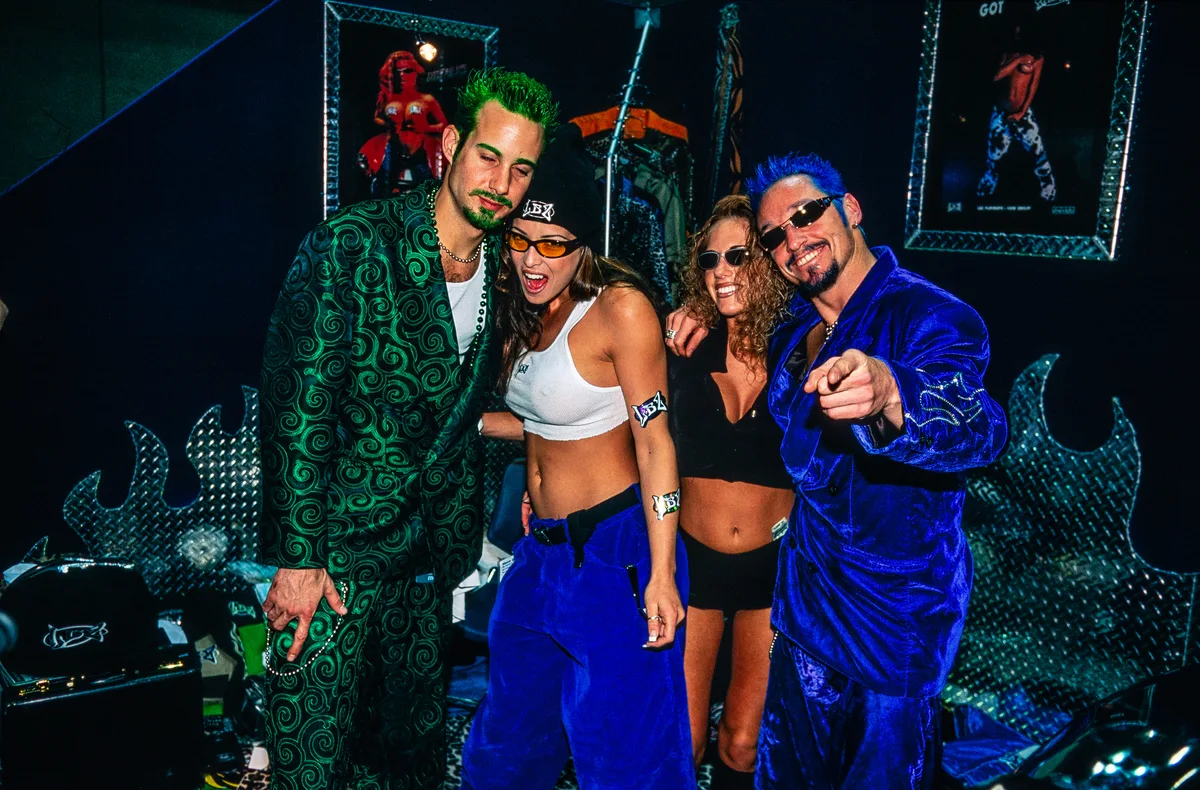
Inspired by the wild-ass energy of ’90s snowboard films, a new wave of moto videos took fans beyond the factory trucks and into the hills with McGrath, Emig and their friends. Huge jumps. Tricks. Skits. Parties. Away from corporate racing, the personalities behind the podium interviews came alive. Fans got a window into a world they wanted to join.
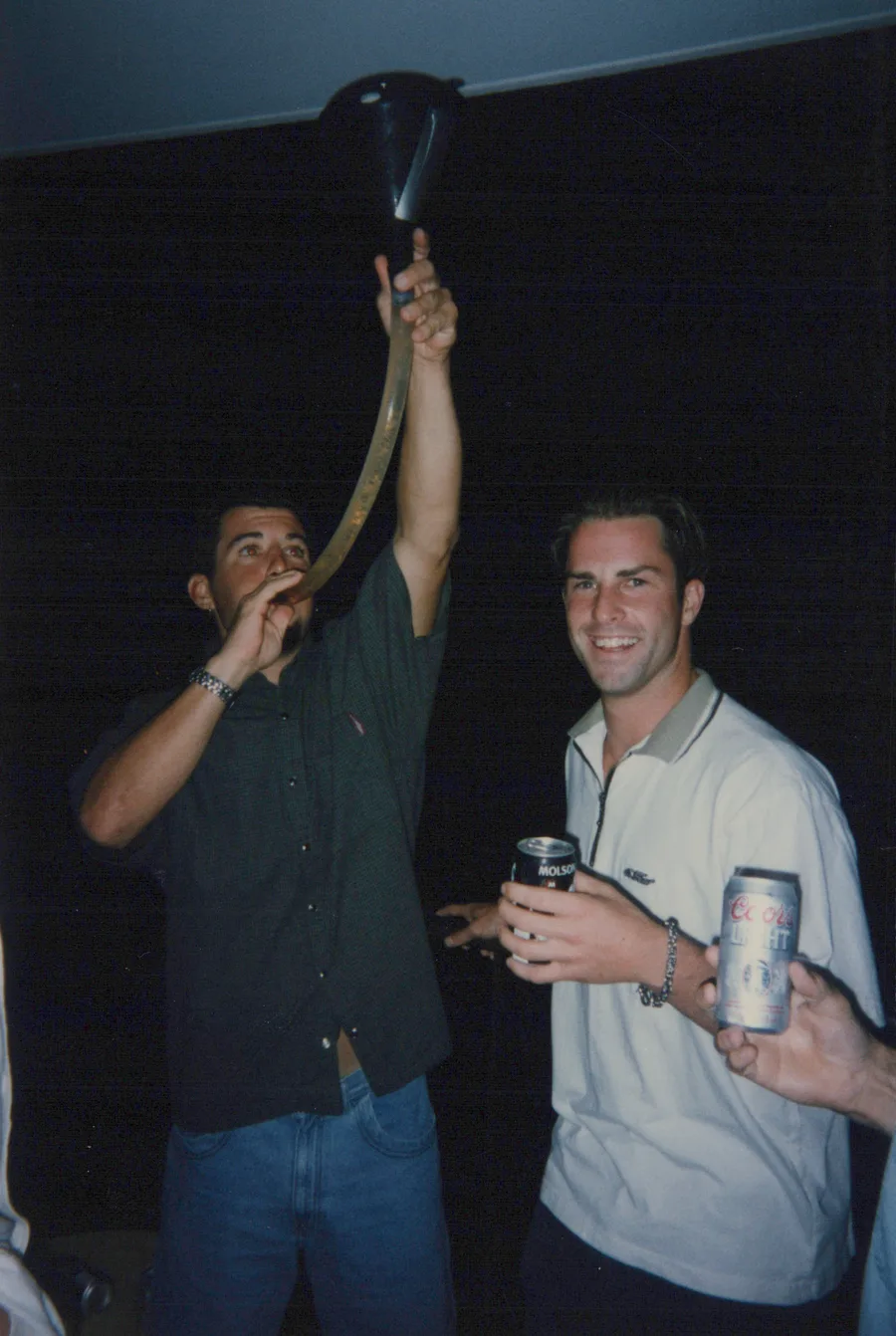
Jeremy’s bike control made freeride jumping a work of art. Jeff’s stylish riding and humor gave the videos swagger. The fastest racers on earth looked like your friends having the best weekend of their lives, goofing off, having beers and seeing who could go bigger. The same guys everyone wanted to beat on Sunday were making everyone want to ride with their friends on Monday.
Kids from across action sports wore out those tapes, bought dirt bikes and headed for the hills. Meanwhile, privateer racers dismissed as “failures” by the establishment discovered another way to get noticed. Riders without factory contracts could become stars with imagination, nerve, a camera and a huge middle finger to the system.
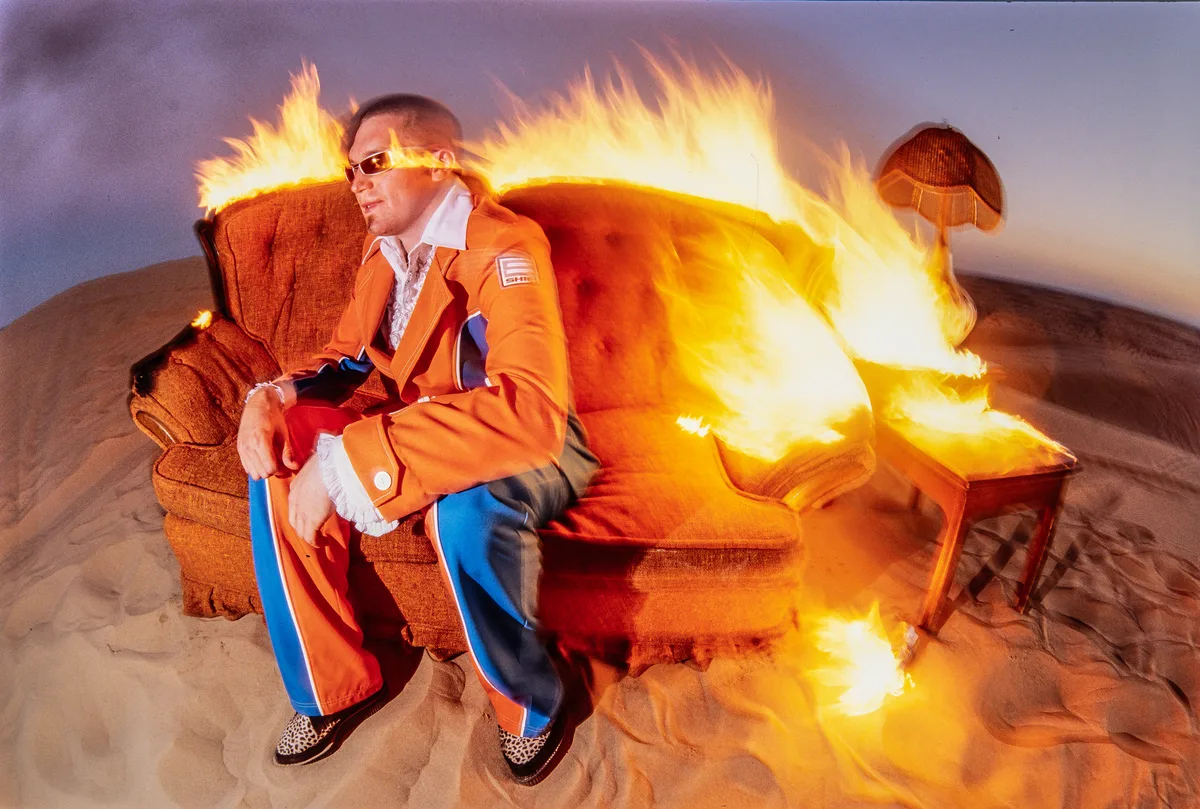
The jumps got bigger. The videos got wilder. The freedom and fun McGrath and Emig helped bring into the spotlight were fueling a controversial movement that was becoming bigger and more rebellious than anyone expected. Especially the corporate powers that ran the sport. The factories liked selling motorcycles. They were less thrilled about the burning couches and middle fingers that came with them.
By 1997, the world McGrath and Emig helped ignite was ready to blow.
When McGrath walked away from Factory Honda, Emig saw his opening. The Supercross crown was within reach. Their fight reached into everything around them: factory contracts, competing sponsors, nightlife and the VHS videos turning riders into stars.
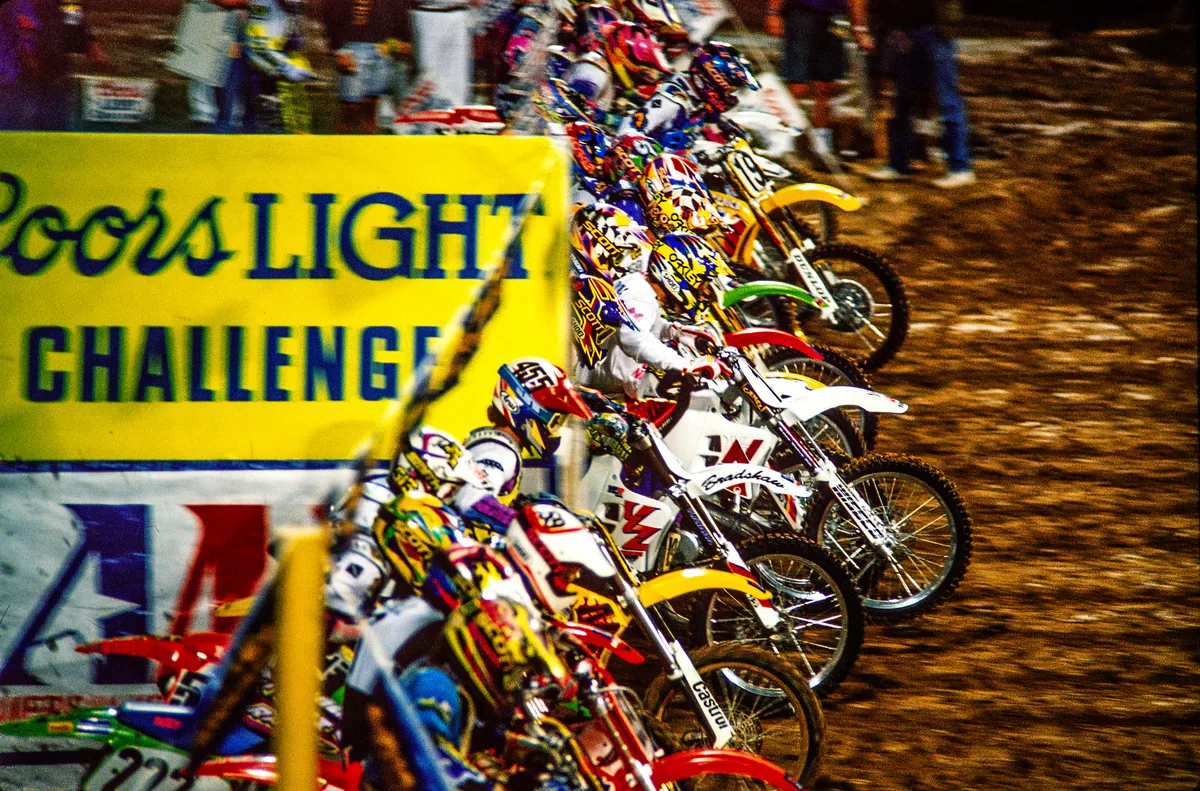
McGrath and Emig went to war for Supercross, turning their championship battle into a rock show. Jeremy fought to defend an empire built on unprecedented dominance. Jeff fought to prove he could beat the king on his biggest stage. Every race became personal, and more people were tuning in.
When Emig took the Supercross crown, their rivalry gained a whole new charge. Jeremy wanted it back. Jeff intended to keep it. Neither was interested in being the other guy.
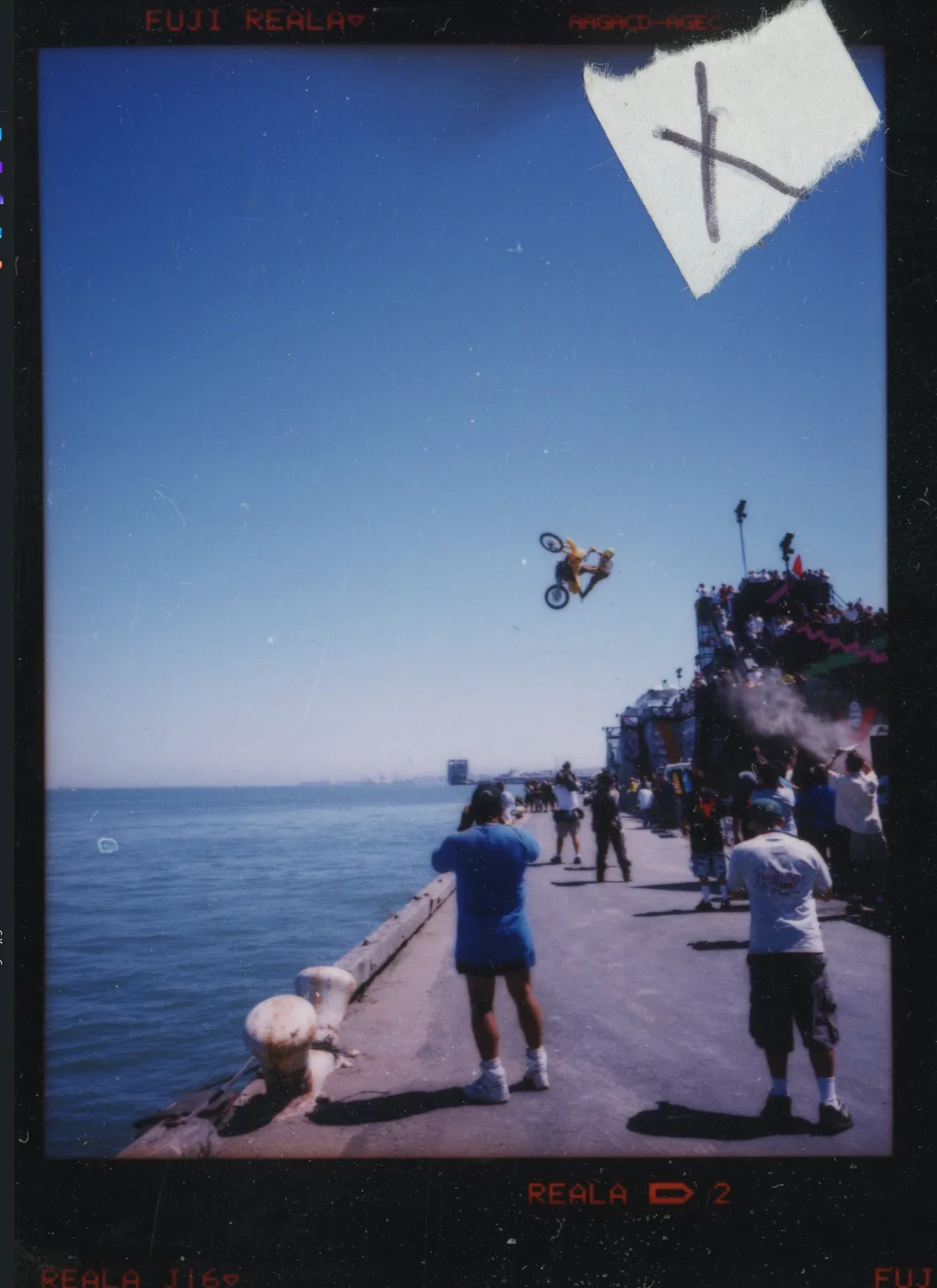
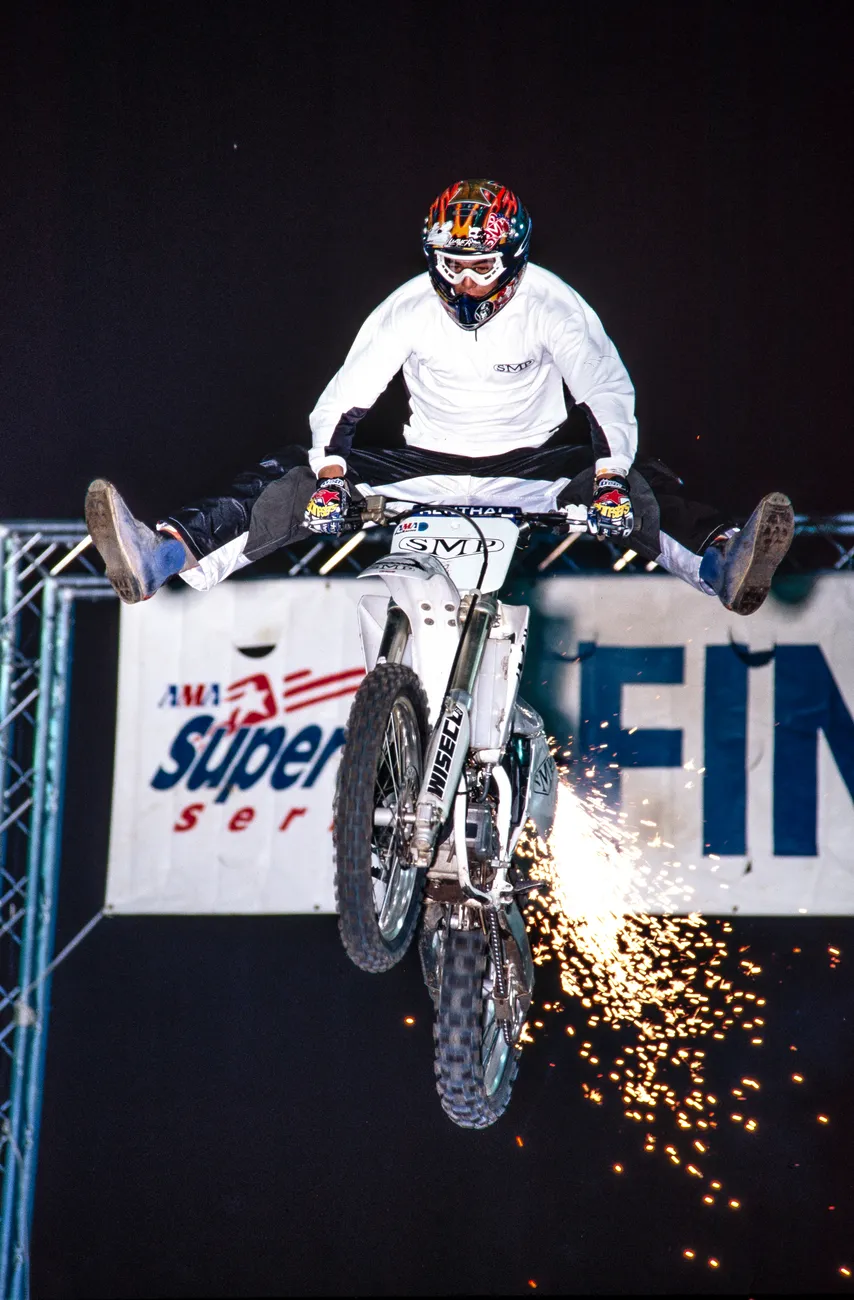
Around them, freestyle began exploding out of the videos. Mike Metzger and a handful of fearless riders helped lead the charge. Brian Deegan and Larry Linkogle became the faces of anti-corporate rebellion. Young Travis Pastrana became the golden child while somehow making the middle school honor roll. Carey Hart hustled for every opportunity, pushing his tricks and style toward a backflip that could change everything.
As racing and freestyle reached bigger stages, they fought over what dirt biking was supposed to be and who got to represent it. What looked like screwing around in the hills was becoming a sport, a business and a headache for anyone trying to keep it respectable. The audiences grew. So did the consequences of a bad landing.
The party was everywhere. Both sports were at max RPM, and McGrath and Emig remained at the center of the era they helped set in motion. Their rivalry gave it competitive fire. Their personalities, riding and good times helped make everyone want in. The culture they helped build was growing beyond anything the factories could control. Everyone kept pushing. The limits were bound to push back.
Nobody could keep the ’90s going forever. Behind the championships, parties and seemingly endless good times, injuries mounted and careers changed overnight. As a young Ricky Carmichael emerged, a new level of intensity was coming. The generation that made motocross look like the greatest party on earth was facing the morning after.
MOTO NINETIES is the inside story of Jeremy McGrath and Jeff Emig, their bitter fight for the crown, the good times that made them icons, and the infamous freestyle revolution that grew out of the world they helped create. Their rivalry helped bring dirt bike racing into the mainstream. The world around them made it a movement.